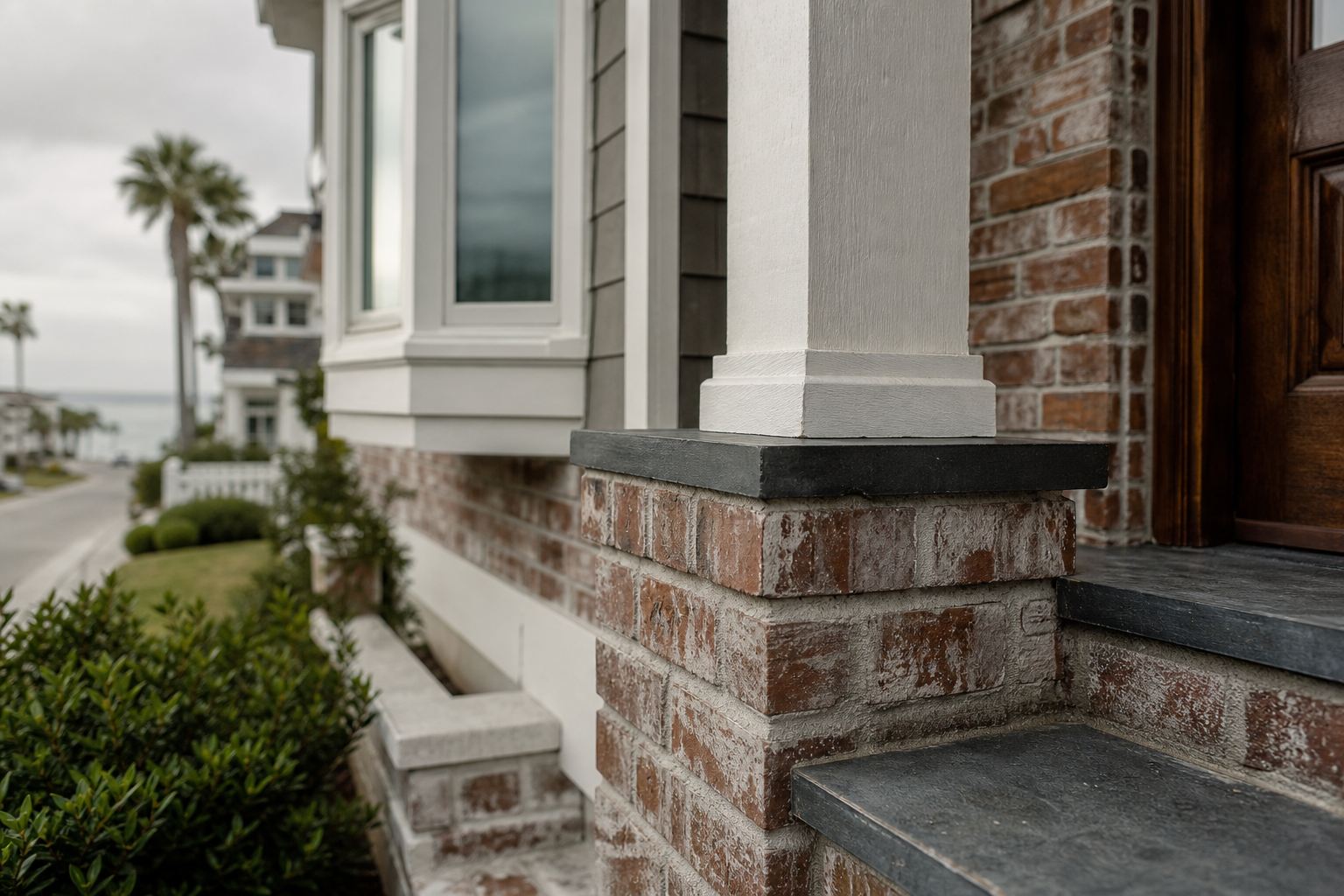
Selling Your Longtime Home in Newport Beach

Selling a home you've lived in for decades means balancing real emotional weight against real financial decisions. In Newport Beach's balanced 2026 market, data-driven pricing, thoughtful preparation, and a clear-eyed plan let you honor your memories without leaving equity on the table.
How do you balance emotional attachment and market value when selling a longtime home in Newport Beach?
Selling a home you've owned for 20 or 30 years is never just a financial transaction. The memories are real, the equity is significant, and the decisions are layered. In Newport Beach's current balanced market, the sellers who come out ahead are the ones who give both sides their due: they process the emotional weight first, then let the data drive the price. Here's how we help our clients do exactly that.
What the Newport Beach Market Looks Like Right Now
Before we talk about memories, let's talk about money, because the two are inseparable when you're sitting on a home this valuable.
According to Redfin's Newport Beach housing market data, the median sale price over the three months ending June 2026 was approximately $3.7 million, down about 3.0% from the same period a year earlier. At the same time, the median price per square foot rose 10.6% year-over-year to roughly $1,660, which tells a more nuanced story: overall sale prices have softened slightly, but value per foot is still climbing.
Zillow's most recent index, based on data through July 31, 2026, puts the typical Newport Beach home value at about $3.72 million, up 10.8% over the prior 12 months. Median days to pending sits around 42 days, with roughly 378 homes currently for sale.
Perhaps the most important number for longtime sellers: Zillow reports that about 74.4% of homes closed under list price, while only 17.2% closed over. Meanwhile, Realtor.com characterizes the Newport Beach market in June 2026 as "balanced", with a sale-to-list price ratio around 97% and homes selling in a median of 56 days.
What this means for you: buyers have options. This is not a frenzied seller's market where any price flies. Pricing with your heart instead of the data carries a real cost.
The "Memory Pricing" Problem
We see it often. A seller thinks, "We raised three kids here, put in a custom kitchen, and watched the harbor from this deck for 25 years. This home is worth more than any comp shows." That feeling is completely understandable. But buyers don't pay for your memories, they pay for the market.
In a balanced market, emotionally inflated pricing leads to longer days on market, price reductions, and sometimes a final sale price lower than a well-priced listing would have achieved from day one. Our post on the pricing strategy that sells homes fast and for the highest value walks through exactly why the first weeks on market are so critical.
The good news: a data-driven price doesn't mean you're selling short. It means you're selling smart.
| Data Source | Metric | Latest Figure | Period |
|---|---|---|---|
| Redfin | Median sale price | ~$3.7 million | 3 months ending June 2026 |
| Redfin | Median price per sq ft | ~$1,660 (+10.6% YoY) | June 2026 |
| Redfin | Average days on market | 54 days | June 2026 |
| Zillow | Typical home value | ~$3.72 million (+10.8% YoY) | Through July 31, 2026 |
| Zillow | Median days to pending | ~42 days | Latest reporting window |
| Realtor.com | Market characterization | Balanced | June 2026 |
| Realtor.com | Sale-to-list price ratio | ~97% | June 2026 |
Sources: Redfin; Zillow; Realtor.com. Most recent data available as of August 26, 2026.
How to Honor the Memories Without Hurting the Sale
The emotional side of selling a longtime home is real. Research from the National Association of REALTORS® consistently finds that selling a longtime home ranks among the most emotionally stressful financial decisions a person makes, often in the same tier as divorce or job loss. Grief, nostalgia, and anxiety about the next chapter are normal. The goal isn't to suppress those feelings. It's to separate them from the pricing and negotiation decisions.
Here's how we approach this with our clients at Vidar Group.
Step 1: Create Closure Before You Declutter
One of the most practical things you can do before a single showing is scheduled: gather the family for a farewell walkthrough. Take photos of the rooms that matter most. Let the grandkids draw on a piece of trim that's coming down anyway. Hold a dinner in the backyard one last time. These rituals sound small, but they do something important. They give the memories a proper send-off so you're not clinging to them when a buyer's agent walks through with a critical eye.
Once you've done that, depersonalizing the home, removing family photos, neutralizing bold paint colors, clearing out decades of accumulated belongings, feels less like erasing your life and more like preparing the stage for someone else's story.
Step 2: Prepare the Home With Buyers in Mind, Not Guilt
Longtime owners often wrestle with updates. "We loved this carpet for 20 years. Why should we change it?" The answer isn't sentimental, it's financial. In Newport Beach's luxury-leaning market, buyers at the $3 million-plus level have high expectations. Dated finishes aren't charming, they're negotiating leverage for the buyer.
That doesn't mean a full gut renovation. It means targeted, strategic updates: fresh paint in neutral tones, updated lighting, clean landscaping, and addressing any deferred maintenance that will show up in an inspection. Our post on what to fix before selling walks through how to think about this without over-spending.
We also help our clients understand what not to fix. Over-improving for the neighborhood is a real risk, and one we watch for closely.
Step 3: Let the Data Set the Price, Let the Story Sell It
A comparative market analysis based on recent closed sales in your sub-market, whether that's Balboa Peninsula, Corona del Mar, Newport Coast, or Eastbluff, is the foundation of a pricing strategy that works. That number is non-negotiable as a starting point.
But the story of your home? That belongs in the marketing. A well-written listing description can honor 30 years of life in a home without inflating the price. Buyers respond to narrative. They just don't pay extra for it.
Your specific number will depend on your home's condition, location, recent comparable sales, and current inventory. That's exactly the conversation we have before we ever talk about a list price.
Step 4: Get Your Financial and Legal Ducks in a Row Early
Selling a home you've owned for decades involves more than a real estate transaction. Capital gains exposure, California's Proposition 19 implications for transferring your base-year value to a replacement property, trust and estate considerations, and timing relative to your next move all need to be on the table before you list.
We strongly encourage our longtime-owner clients to connect with a CPA and, where appropriate, an estate planning attorney before the listing agreement is signed. The real estate side is our job. The tax and estate side needs its own expert.
On the closing side: in Orange County, your transaction will be handled by an escrow and title company, not an attorney. The title company performs the title search, clears any liens, prepares closing documents, and records the deed with the county recorder. You do not need a real estate attorney for a standard sale, though one may be appropriate if there are title disputes or estate complications.
California law also requires sellers of most one-to-four-unit residential properties to provide a Transfer Disclosure Statement under California Civil Code §1102 et seq. This form requires you to disclose known material facts about the property's condition. Honesty here isn't just ethical, it's legally required. The California Association of REALTORS® also publishes a Seller Property Questionnaire used widely in Orange County transactions to supplement the TDS with additional detail about repairs, water intrusion, and neighborhood conditions.
If your home was built before 1978, federal lead-based paint disclosure requirements apply as well. Your agent will walk you through the complete disclosure package before you go on the market.
Is This the Right Time to Sell?
This is the question we hear most often, and the honest answer is: it depends on your situation more than the market.
Newport Beach values, according to Zillow's July 2026 data, are up 10.8% over the prior year. The market is balanced, not crashing. If you've owned for 20-plus years, your equity position is almost certainly strong regardless of whether prices tick up or down 3% in the next six months.
Waiting for a "perfect" market moment is a strategy that rarely pays off the way sellers hope. The NAR's research on seller motivations consistently shows that life events, retirement, health, family proximity, and household size changes drive most longtime-owner decisions far more than market timing. If your life is ready, the market is workable.
The only way to know what makes sense for your specific situation is to run the numbers: a current CMA, a conversation with your CPA about tax implications, and an honest look at what your next chapter looks like. That's the conversation we're built for.
See what our clients say about working through this process with us: read Dar Mardan's Google reviews.
Frequently Asked Questions
Is 2026 a good time to sell a longtime home in Newport Beach, or should I wait for prices to go higher?
Newport Beach values are up roughly 10.8% over the past 12 months according to Zillow's July 2026 data, and the market is currently balanced rather than strongly favoring either buyers or sellers. If your personal circumstances, retirement, downsizing, estate planning, or a move closer to family, are pointing toward a sale, the current market is workable. Waiting for a peak that may never come is a riskier strategy than most sellers realize, especially when capital gains timing and Prop 19 replacement-property rules are also in play.
How do I separate my emotional attachment from the financial decision when selling my family home?
The most effective approach is to give the emotions their own space before the business decisions begin. That means family closure rituals, preserving mementos, and acknowledging the weight of the transition before you start staging and pricing. Once you've done that, let a current comparative market analysis, not personal value, set the price. Your memories belong in the story of the home; they don't belong in the list price.
How long are homes taking to sell in Newport Beach in 2026, and will sentimental pricing hurt my chances?
Depending on the data source, Newport Beach homes are currently taking roughly 42 to 56 days to go pending or sell, per Redfin and Realtor.com. In a balanced market where 74.4% of homes close under list price, overpricing based on sentimental value almost always extends time on market and leads to eventual price reductions, sometimes landing you at a lower final number than a realistic price from day one would have achieved.
Who handles the closing paperwork when I sell a home in Orange County? Do I need a real estate attorney?
In Orange County and throughout Southern California, closings are handled by an escrow and title company, not a real estate attorney. The title company manages the title search, clears any outstanding liens, prepares closing documents, records the deed with the county recorder, and disburses funds. You generally do not need an attorney for a standard sale, though one may be appropriate if there are title disputes, trust complications, or estate litigation involved.
What disclosures am I legally required to provide buyers when selling my California home?
California law requires most sellers of one-to-four-unit residential properties to provide a Transfer Disclosure Statement under California Civil Code §1102 et seq., disclosing known material facts about the property's condition. In Orange County transactions, this is typically supplemented by a Seller Property Questionnaire published by the California Association of REALTORS®. If your home was built before 1978, federal lead-based paint disclosure requirements also apply. Your agent will walk you through the complete package before you go on the market.
Ready to have a real conversation about your home, your timeline, and what this next chapter looks like? Book a complimentary appointment with our team and we'll start with the numbers, and the story.
Equal Housing Opportunity. Dar Mardan is a licensed Realtor® regulated by the California Department of Real Estate. This article is provided for general informational purposes only and does not constitute legal, tax, or financial advice. Please confirm your specific numbers and circumstances with your title company, tax advisor, or lender.
Categories
- All Blogs (86)
- Buy home (12)
- buy home insurance (2)
- buyer agent (1)
- divorce (6)
- downsizing (24)
- estate planning (17)
- Estate Real estate (6)
- First time home buyer (7)
- home buying advice (6)
- Home buying tips (16)
- Home inspection (3)
- Home Inspections and Repairs (2)
- home insurance (1)
- home selling advice (15)
- Home Selling Tips (46)
- Home upgrades (2)
- how to sell your home (13)
- Lower home insurance cost (2)
- Lower insurance premiums (1)
- market update (4)
- Newport Center (3)
- Orange county homes (66)
- Pre Listing Preparation (7)
- probate sale (5)
- proposition 19 (4)
- Realtor tips (13)
- Rental Income (1)
- retirement planning (19)
- ROI upgrades (2)
- seller agent (1)
- Selling tips (9)
- transfer tax basis (2)
Recent Posts